How to make Green Seasoning
There’s something almost magical about the vibrant green paste known as green seasoning, a staple in the kitchens of Trinidad and Tobago. It’s not just a mixture of herbs; it’s an aromatic symphony that sings of warmth, community, and culinary heritage. When you whip up this delightful concoction, you’re not just cooking; you’re inviting the essence of Caribbean cuisine into your home. The aroma of freshly blended herbs fills the air, and you can almost hear the stories of family gatherings and joyful meals being shared over laughter. Green seasoning is truly a revelation that transforms ordinary dishes into extraordinary experiences. Trust me when I say that once you learn how to make green seasoning, you’ll find yourself reaching for it time and again—it becomes an essential ingredient in your culinary repertoire.
This recipe for green seasoning is not merely about following steps; it’s about understanding the heart of Caribbean cooking. Each herb brings its character to the table, creating layers of flavor that elevate everything from marinated meats to soups and stews. It’s a foundational element that embodies the spirit of Trinidadian cooking, where fresh ingredients and bold flavors reign supreme. Imagine using this beautiful herb blend to infuse your favorite dishes with a touch of island flair! Just think about how versatile it is: used as a marinade, a base for a hearty curry, or even as a zesty addition to sauces—it’s truly limitless. So let’s dive right into this journey together!
How to Make Green Seasoning: A Vibrant Caribbean Essential
Get ready to embark on an exhilarating culinary adventure! This recipe for how to make green seasoning is your ticket to bringing the authentic taste of Trinidad and Tobago right into your kitchen. With just a few fresh ingredients and a handy blender, you’ll create something that not only enhances flavor but also carries the warmth and tradition of Caribbean cuisine.
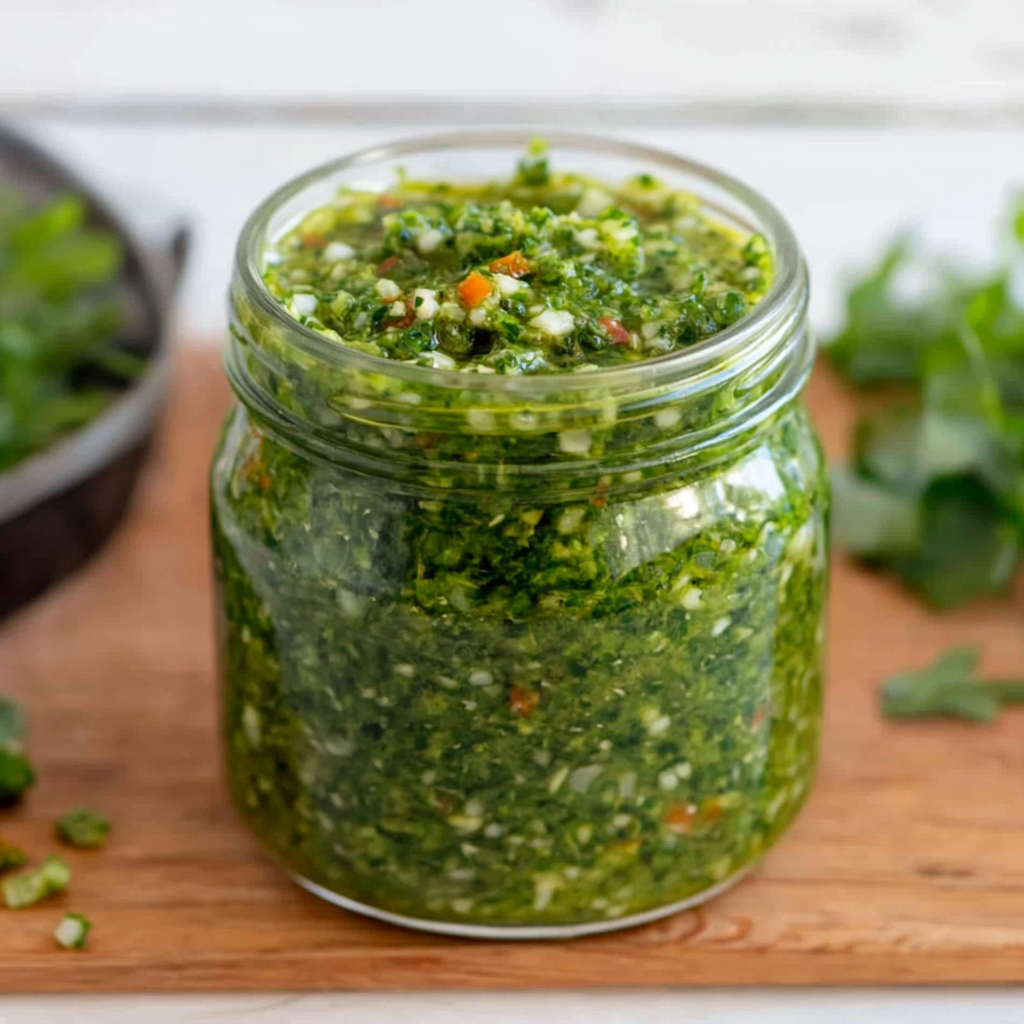
Ingredients:
As we gather our ingredients for this vibrant green seasoning, think about each component not just as an item on your shopping list but as part of a story filled with flavor, color, and tradition. Each herb plays its role like musicians in an orchestra—together they create something truly special.
- 12 Chadon Beni (Culantro) leaves. Often referred to as cilantro’s bolder cousin, Chadon Beni imparts a distinct flavor that is both earthy and aromatic. These leaves are crucial because they form the backbone of our green seasoning—providing depth and complexity that’s unmistakably Caribbean. When selecting Chadon Beni at your local market or grocery store, look for vibrant green leaves without any signs of wilting or browning; freshness is key here!
- 2 tablespoons Common Thyme (Thymus vulgaris) leaves & stems. Ah, thyme! This herb adds warmth and an earthy note to our blend. Its tiny leaves may seem delicate, but they pack quite a punch in terms of flavor. Make sure you choose fresh thyme whenever possible; dried thyme simply cannot replicate its invigorating scent and taste. This herb complements all others beautifully while enhancing their profiles.
- 2 whole Green Onions or Scallions (bulbs & leaves). These are more than just garnish—they’re essential players in our mix! Their mild oniony flavor adds brightness without overwhelming other ingredients. When purchasing scallions, opt for ones with bright green tops free from blemishes or wilting—this will ensure maximum freshness and flavor!
- 2 stalks Chinese Celery (leaves & stalks). Unlike regular celery, Chinese celery has a more intense flavor profile with lovely tender leaves that contribute both taste and texture. It’s an integral part of many Caribbean dishes! When selecting Chinese celery at the market, look for firm stalks with vibrant green leaves—this ensures you’re getting all those wonderful flavors packed inside.
- 1/4 cup Sweet Basil (leaves). Sweet basil adds a fragrant sweetness that balances out the sharpness from some herbs while lending an aromatic quality to your seasoning mix that’s simply enchanting! Fresh basil should be bright green with no brown spots; if you can’t find sweet basil specifically, regular basil will do in a pinch—though its flavor may vary slightly.
- 1/4 cup Parsley (leaves & stems). Parsley might seem understated compared to some bolder herbs here, yet it plays an important role by adding freshness and brightness—a kind of herbal counterbalance in our mixture! Always choose fresh parsley with deep green color; avoid any limp or yellowing leaves which indicate age.
- 2 tablespoons Broad Leaf or Spanish Thyme (leaves). Broadleaf thyme adds rich layers of flavor—a must-have in this blend! It has broader leaves than common thyme and can be found at specialty markets or international grocery stores. If you can’t source this variety easily, use more common thyme instead as an alternative—but I promise you’ll miss out on some unique flavors!
- 2 tablespoons Tarragon (leaves and stems). Known for its slightly sweet anise-like flavor profile, tarragon brings complexity that’s utterly delightful in our mix! Look for lush tarragon sprigs when purchasing; dried tarragon won’t yield nearly as much aromatic magic here.
- 10 Large Seasoning Peppers (with or without seeds). These small peppers provide that quintessential heat without overpowering everything else—just enough spice for excitement! You have the option to keep seeds in if you like things hot—be cautious though! Choose peppers that are firm with shiny skin.
- 1 Bulb Garlic. Garlic is non-negotiable here: it infuses everything it touches with depth and richness! Always opt for firm garlic bulbs free from sprouting; those little sprouts can impart bitterness into our blend.
- 1 Small Onion. A small onion will contribute sweetness once blended—you won’t believe how much complexity it brings forth! Aim for one that’s heavy for its size with no soft spots.
- 50 – 70 ml liquid choice (Water or Lemon/Lime Juice or Apple Cider/White Vinegar/Cooking Oil). This liquid component isn’t just filler—it helps bind everything together while adding moisture so we can achieve our desired texture! Water works well if using immediately; however lemon/lime juice offers zing that enhances flavors while increasing shelf life—so consider your plans ahead!
- 1-2 Scotch Bonnet Peppers (with seeds will be more spicy). Scotch bonnets are iconic within Trinidadian cuisine—they pack serious heat but also deliver fruity notes that make them irresistible! Handle these peppers cautiously; too much might overwhelm even seasoned spice lovers.
- 2 tablespoons Fresh Ginger. Ginger adds warmth along with its signature spiciness—and contributes fantastic depth overall! Look for smooth-skinned ginger root without any wrinkles—that’ll ensure maximum potency!
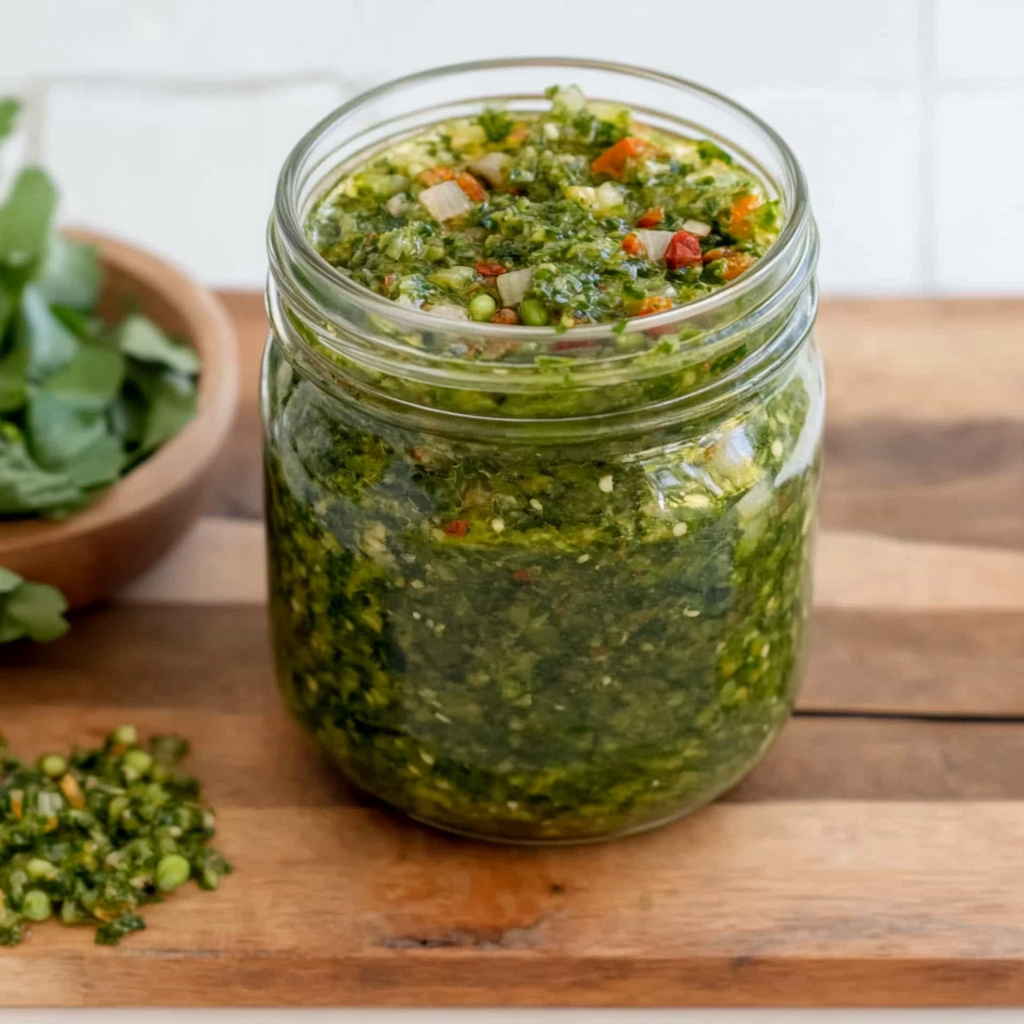
Equipment You’ll Need:
Before we dive into making our delicious green seasoning blend, it’s essential to have the right tools at hand—they’re like trusted companions on this flavorful journey we’re embarking upon together! Having good equipment not only streamlines the process but also enhances every step along the way.
- Blender/Food Processor/Mini Chopper – This is where all our wonderful ingredients come together to form that magical paste we crave! A powerful blender will give you smooth results quickly while food processors work great for coarser textures if preferred—personal preference reigns here!
- Mortar and Pestle – While not necessary if using modern tools mentioned above, these traditional tools allow you to grind ingredients by hand—a beautiful way to connect deeper with each herb’s essence while enjoying every step involved!
- Cutting Board & Knife – A sturdy cutting board paired with a sharp knife makes prep work feel seamless—I recommend using one specifically designated for herbs so flavors don’t mingle unintentionally between different cuisines during future preparations!
With everything prepped properly—the stage is set for us now!
Preparing the How to Make Green Seasoning
Step 1: Gather Your Ingredients
The first step in crafting your own homemade green seasoning involves gathering all those delightful ingredients we discussed earlier—and trust me when I say this part sets up success down the line! Take some time here—don’t rush through it—as each herb contributes unique notes leading us toward something extraordinary later on once blended together harmoniously! Lay everything out on your countertop so they’re easily accessible during blending time—it’ll save precious moments later when things start happening fast!
Step 2: Wash Thoroughly
Once everything is gathered neatly before you now comes one crucial step: thoroughly washing all ingredients under cool running water until they sparkle cleanly again removing any lingering dirt particles left over from their journey before arriving home today! Gently rub leafy greens between fingers allowing water droplets slip away freely—it’s vital since cleanliness ensures no gritty surprises sneak their way into final product delivering pure enjoyment every bite taken after creation completed successfully!
Step 3: Prep Your Ingredients
Next up? Prepping each ingredient appropriately according their specific needs ensuring ease throughout blending process later down road ahead waiting eagerly behind doorways awaiting entry next round culinary fun begins unfolding soon enough shortly thereafter too—but first things first let’s peel outer skins off garlic bulbs chopping off ends along side small onion similarly too whilst roughly cutting remaining items like scallions chadon beni ginger etcetera down into manageable pieces suitable fit comfortably within blender cup awaiting mixing joyfully together seamlessly soon enough thereafter creating harmonious experience felt across palate ultimately pleasing everyone fortunate enough partake celebration meal featuring delightful results attained altogether resulting from efforts shared collectively combined effort put forth herein today!
Step 4: Prepare Your Liquid Base
Now let’s talk about liquid choices—we need something binding all flavors together seamlessly transforming raw elements individually present initially into something cohesive capable elevating dishes served forth whether marinades soups sauces whatever else creativity leads us towards ultimately enhanced through infusion magic created inside chosen vessel awaits patiently ready participate fully alongside fellow friends joining forces harmoniously uniting strengths culminating blissful creation birthed momentarily shortly thereafter bursting forth vivid colors fragrances tastes joyful anticipation rising high above expectations set previously encountered upon entering realm unknown earlier today establishing foundation upon which future successes built solidly firmly grounded roots established firmly placed among heights reached soaring upwards towards dreams fulfilled eventually realized concretely achieved realities spinning tales told fondly forever cherished lovingly remembered passed down generations embraced warmly forevermore…
I can already feel my mouth watering at what’s coming next—let’s continue diving deeper into crafting this enchanting blend that’ll transform everyday meals into unforgettable feasts worthy celebrating wholeheartedly rejoicing beautifully savored warmly enjoyed forevermore!
Step 5: Roughly Chop the Green Goodness
Now that you’ve washed all your vibrant herbs and vegetables, it’s time to bring them together in a way that unlocks their full potential. Using a sharp knife, begin by roughly chopping the Chadon Beni (culantro), green onions, Chinese celery, sweet basil, parsley, broad leaf thyme, tarragon, and ginger. This step is crucial because chopping them helps release their essential oils, which contribute to that intoxicating aroma and flavor we associate with Trinidadian cuisine. As you cut through these fresh ingredients, take a moment to inhale deeply—the fragrant notes wafting up are a preview of the culinary magic you’re about to create! Aim for pieces small enough to blend easily but large enough that you can appreciate each herb’s unique personality. Trust me on this; giving them a good chop is not just an exercise in prep—it’s the first step toward achieving that symphony of flavors in your green seasoning.
Step 6: Blend Until You Achieve Harmony
Next up is the blending process—a beautiful union of all those freshly chopped ingredients. In your blender or food processor, combine all those aromatic herbs along with the garlic and onion. Depending on your heat preference, toss in the seasoning peppers and Scotch bonnet peppers as well. Now here’s where you need to make an important choice: what liquid will you use? If you’re planning to use your green seasoning right away, water works perfectly fine. However, using lemon or lime juice or even apple cider vinegar not only enhances flavor but also acts as a preservative—extending the life of your creation in the fridge. Pour in about 50-70 ml of your chosen liquid to start; this will help achieve a smoother consistency as you blend.
Begin by pulsing your mix at low speed—this allows all those flavors to mingle without being pulverized into oblivion immediately. Gradually increase the speed until you reach a full blend. The final texture is completely up to you; whether you prefer a thick paste that’s packed with texture or a smoother purée that glides effortlessly into sauces and marinades is entirely personal! Keep an eye on it—if it looks too chunky after about 30 seconds at full speed, add just a splash more liquid until you reach that desired consistency. Remember, blending isn’t just about mixing; it’s about creating harmony among these diverse flavors!
Step 7: Taste Test and Adjust Seasoning
Once you’ve achieved that perfect blend of colors and textures, it’s time for one of my favorite parts: tasting! Scoop out a small spoonful of your green seasoning mixture and take a moment to savor it. This initial taste test is absolutely paramount because it reveals whether any adjustments are needed before sealing this vibrant concoction away for future culinary adventures. Depending on your palate and preferences, you might find it needs more acidity from lime juice or perhaps an extra punch from additional Scotch bonnet peppers—this is where your creativity comes into play! If everything feels balanced but still lacks oomph, consider adding a pinch of sea salt; this can be transformative by amplifying all those fragrant notes while keeping things natural.
Don’t rush this step—trust me when I say that honing in on the perfect balance now will elevate every dish you’ll use it in later on. And if you’re nervous about heat levels, start conservatively with spices; remember that flavors can intensify over time when stored! So go ahead and adjust—this part of cooking should always feel like an invitation to play with flavors until they sing.
Step 8: The Importance of Resting Your Green Seasoning
Now comes one last critical step before diving into culinary experimentation: resting your green seasoning! After blending and adjusting flavors as necessary, transfer your fragrant mixture into clean jars—glass containers work beautifully here as they preserve both flavor and freshness. Cover them tightly with lids but don’t rush straight into using them; let them rest for at least an hour at room temperature before refrigerating them. Why? Well, resting allows all those bold flavors to continue mingling harmoniously. It’s almost like letting good friends gather around for conversation—they get better together!
If possible, let it sit overnight in the fridge before using it for maximum depth of flavor development. This resting period enhances every note from the herbs while allowing any sharpness from raw garlic or onion to mellow beautifully into something sublimely balanced. You can store this vibrant mixture in the refrigerator for up to four weeks—but trust me when I say it won’t last long once you start using it! Each spoonful can transport you straight back home to Trinidad and Tobago with its aroma alone.
Conclusion:
As we wrap up our delightful journey through How to make Green Seasoning, I can’t help but feel elated at sharing this treasured recipe with you. It’s not just about blending herbs; it’s about capturing the essence of Trinidad and Tobago right in your kitchen! The vibrant mixture of Chadon Beni and fragrant thyme creates layers upon layers of flavor that transform ordinary dishes into extraordinary culinary experiences. Each ingredient plays its part in this harmonious blend, ensuring that every spoonful bursts with freshness and life—a truly delightful gift from Mother Nature herself.
This recipe isn’t merely something tasty; it’s an invitation—to experiment, to explore the depths of Caribbean cuisine while filling your home with intoxicating aromas. Imagine gathering around a table with friends or family after preparing a dish enhanced by this marvelous green seasoning—it’s moments like these that create lasting memories. Picture yourself stirring it into rice dishes or using it as a marinade before grilling vegetables; each opportunity becomes an adventure filled with laughter and joy.
When thinking about serving suggestions, imagine savoring grilled fish brushed with this herbaceous delight on warm summer evenings under twinkling stars or mixing it into comforting soups during chilly winter afternoons. For an afternoon pick-me-up, try tossing some roasted potatoes with olive oil and a generous spoonful of green seasoning—oh my goodness, you’ll be amazed at how such simple ingredients can create something so utterly delicious! And don’t forget about how wonderful it pairs with freshly baked bread; dipping pieces into olive oil infused with a bit of green seasoning is pure bliss.
Feeling adventurous? This recipe is wonderfully adaptable! If you’re craving something different today, why not switch things up by adding mint leaves for a refreshing twist or throw in some cilantro if that’s more up your alley? You could even experiment by incorporating different peppers for varying heat levels. No matter how you choose to personalize it, I encourage you to embrace creativity in the kitchen! Try this recipe out and share your experiences—I can’t wait to hear about all the ways you’ve brought this Trinidadian staple into your own home!
How to Make Green Seasoning
Experience the vibrant flavors of the Caribbean with this homemade green seasoning, a staple from Trinidad and Tobago that transforms ordinary dishes into extraordinary culinary delights. This aromatic herb blend features fresh ingredients like Chadon Beni, thyme, and garlic, creating a versatile paste that enhances everything from marinades to soups. With its bold flavors and inviting aroma, green seasoning is an essential addition to your kitchen repertoire. Perfect for meat, fish, or plant-based dishes, it’s easy to whip up and will have you reaching for it time and again.
- Prep Time: 15 minutes
- Cook Time: N/A
- Total Time: 0 hours
- Yield: Approximately 16 servings (240ml total) 1x
- Category: Condiment
- Method: Blending
- Cuisine: Caribbean
Ingredients
- 12 Chadon Beni (Culantro) leaves
- 2 tablespoons Common Thyme (leaves & stems)
- 2 whole Green Onions (bulbs & leaves)
- 2 stalks Chinese Celery (leaves & stalks)
- 1/4 cup Sweet Basil (leaves)
- 1/4 cup Parsley (leaves & stems)
- 10 Large Seasoning Peppers
- 1 Bulb Garlic
- 1 Small Onion
- 50 – 70 ml liquid choice (Water or Lemon/Lime Juice or Vinegar)
- 1 – 2 Scotch Bonnet Peppers
- 2 tablespoons Fresh Ginger
Instructions
- Gather all ingredients and wash thoroughly under cool running water.
- Roughly chop the herbs and vegetables for easier blending.
- In a blender, combine all ingredients along with your chosen liquid.
- Blend until smooth or until desired consistency is reached.
- Taste and adjust seasonings if necessary; add salt or more acidity as desired.
- Transfer to an airtight container and let it rest at room temperature for at least one hour before refrigerating.
Nutrition
- Serving Size: 1 tablespoon
- Calories: 8
- Sugar: 0g
- Sodium: 6mg
- Fat: 0g
- Saturated Fat: 0g
- Unsaturated Fat: 0g
- Trans Fat: 0g
- Carbohydrates: 2g
- Fiber: <1g
- Protein: <1g
- Cholesterol: 0mg